

Table of Contents
Preventative vs Restorative Dentistry: Understanding the Difference and Choosing the Right Care
Many patients assume that dentistry only becomes important when something goes wrong. In reality, modern dentistry is built on two equally important pillars: preventative dentistry, which focuses on avoiding problems before they start, and restorative dentistry, which repairs damage once it has occurred.
Understanding the difference between these two approaches helps patients make informed decisions, avoid unnecessary discomfort, and protect their long-term oral health. It also explains why regular dental visits remain essential, even when there is no pain or visible issue.
At Innovative Dental Care, patient education plays a central role in treatment planning. By helping patients understand when prevention is enough and when restoration becomes necessary, the practice supports better outcomes and healthier smiles over time.
What Is Preventative Dentistry?
Preventative dentistry focuses on maintaining oral health and stopping dental problems before they develop or worsen. The emphasis is on early detection, routine maintenance, and patient education.
Most dental issues do not appear overnight. Tooth decay, gum disease, enamel erosion, and bite-related problems often progress slowly and without obvious symptoms. Preventative dentistry exists to identify and manage these risks early.
An important aspect many patients overlook is how preventative and restorative dentistry influences long-term oral stability rather than short-term fixes. Teeth function as part of a connected system that includes the gums, jawbone, bite alignment, and surrounding muscles. When preventative care is neglected, even a small issue can disrupt this balance over time. A single untreated cavity, for example, can lead to structural weakening of a tooth, shifting bite pressure, gum inflammation, and eventual tooth loss if left unmanaged. Restorative dentistry addresses these consequences, but the outcome is always more predictable and long-lasting when the surrounding oral environment is healthy and well-maintained.
Preventative dentistry supports restorative success by creating a stable foundation. Clean gums, controlled plaque levels, and regular monitoring allow restorative treatments such as fillings, crowns, and dentures to last longer and perform better. Without preventative care, restorative work is more likely to fail prematurely due to decay around restorations, gum disease, or ongoing bite stress. This is why dentists emphasise ongoing check-ups even after extensive restorative treatment has been completed. Prevention does not stop once a tooth is repaired; it becomes even more important.
From a patient perspective, preventative care also plays a significant role in reducing anxiety and uncertainty around dental treatment. Patients who attend regular check-ups tend to require simpler procedures, experience less discomfort, and feel more in control of their oral health decisions. Restorative dentistry, while highly effective, often becomes necessary when problems are advanced and symptoms are unavoidable. By contrast, preventative dentistry allows treatment planning to happen calmly, proactively, and with more options available.
Ultimately, the most effective dental care strategy is not choosing between preventative or restorative dentistry, but understanding how they work together across different stages of life. Preventative dentistry preserves what is healthy, restorative dentistry repairs what is compromised, and together they support comfort, function, confidence, and long-term oral well-being. This balanced approach ensures that patients receive the right level of care at the right time, rather than reacting to problems only once they become disruptive or painful.
Common Preventive Dentistry Services
Preventative dentistry typically includes:
- Routine dental check-ups and oral examinations
- Professional dental cleanings
- Fluoride treatments
- Dental sealants (especially for children and teens)
- Oral hygiene education and personalised care advice
- Early screening for gum disease, enamel wear, and bite issues
These services are designed to preserve natural teeth and reduce the likelihood of future restorative treatment.
You can learn more about these services on the
https://www.innovativedental.co.za/dental-treatment-for-all-ages/preventative-dentistry/ page.
Why Preventive Dentistry Matters More Than You Think
Preventative dentistry is not just about clean teeth. It is about long-term protection, cost control, and overall well-being.
Key benefits include:
- Early detection of decay and gum disease
- Reduced need for invasive dental procedures
- Lower long-term treatment costs
- Better oral comfort and function
- Improved overall health outcomes
What Is Restorative Dentistry?
Restorative dentistry focuses on repairing or replacing teeth that are damaged, decayed, worn, or missing. Once preventative measures are no longer sufficient, restorative treatment becomes essential to restore oral function and comfort.
The aim of restorative dentistry is not only to fix the visible issue, but also to restore proper chewing, speech, bite alignment, and oral balance.
Common Restorative Dentistry Treatments
Restorative dentistry may include:
- Dental fillings
- Crowns
- Bridges
- Root canal treatment
- Dentures
- Tooth replacement solutions
- Treatment for cracked, broken, or severely worn teeth
More information on these services is available on the
https://www.innovativedental.co.za/dental-treatment-for-all-ages/restorative-dentistry/ page.
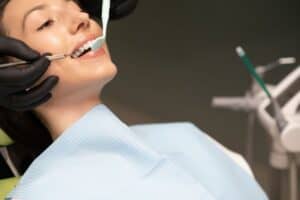
Preventative vs Restorative Dentistry: The Key Differences
Although both are essential, preventative and restorative dentistry serve different purposes.
| Preventative Dentistry | Restorative Dentistry |
| Focuses on prevention | Focuses on repair |
| Maintains healthy teeth | Treats damaged or missing teeth |
| Usually non-invasive | Often more complex |
| Lower long-term costs | Higher cost if delayed |
| Ongoing maintenance | Corrective intervention |
Preventative care aims to reduce the need for restorative work, but restorative dentistry becomes necessary when problems progress beyond early intervention.
When Preventive Care Is No Longer Enough
Even with good oral hygiene, restorative dentistry may still be required due to:
- Advanced tooth decay
- Cracked or fractured teeth
- Gum disease-related bone loss
- Tooth wear from grinding or clenching
- Trauma or injury
- Age-related dental changes
In many cases, patients delay treatment because pain is minimal in the early stages. Unfortunately, delaying care often leads to more extensive and costly restorative procedures later.
How Preventative Dentistry Reduces the Need for Restorative Treatment
Preventative dentistry works best when it is consistent and proactive.
For example:
- Early decay can be managed with small fillings rather than crowns or root canals
- Early gum disease can often be stabilised or reversed
- Minor enamel wear can be monitored before fractures occur
By identifying issues early, preventative care reduces both physical discomfort and financial burden over time.
Preventative Dentistry at Every Life Stage
Preventative care is important at every age, but the focus shifts as patients move through different stages of life.
Children and Teenagers
- Sealants and fluoride protect developing teeth
- Early orthodontic screening prevents complex alignment issues later
Adults
- Regular check-ups help manage stress-related grinding and enamel wear
- Preventative care supports cosmetic and orthodontic treatment outcomes
Older Adults
- Ongoing care helps prevent gum disease progression
- Protects remaining natural teeth
- Supports long-term restorative work such as dentures
Innovative Dental Care provides dental treatment for all ages, with tailored preventative strategies to suit each life stage.
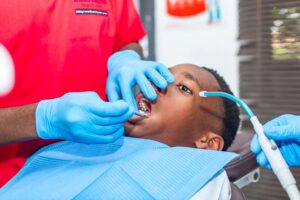
Restorative Dentistry and Quality of Life
While prevention is ideal, restorative dentistry often has a significant impact on a patient’s quality of life when needed.
Restorative treatment can:
- Restore comfortable chewing and digestion
- Improve speech clarity
- Enhance confidence and appearance
- Relieve pain and sensitivity
- Stabilise the bite and jaw
Modern restorative dentistry focuses on durable, natural-looking solutions that integrate seamlessly with existing teeth.
How Preventive and Restorative Dentistry Work Together
Preventive and restorative dentistry are not separate paths. They work best when integrated into a long-term oral health plan.
A typical patient journey may include:
- Preventative examination identifies early decay
- A small restorative procedure is performed
- Ongoing preventative care prevents recurrence
This balanced approach supports long-term oral health and reduces the risk of repeated intervention.
Making the Right Decision for Your Dental Health
Choosing between preventative and restorative care starts with a comprehensive dental assessment. This allows the dentist to evaluate current oral health, identify risks, and recommend the most appropriate treatment approach.
At Innovative Dental Care, treatment planning focuses on:
- Clear explanations of options
- Prevention-first strategies where possible
- Ethical, patient-centred care
- Education that supports informed decision-making
When Should You Book an Appointment?
You should consider booking a dental appointment if you:
- Have not had a check-up in the last six months
- Experience sensitivity, pain, or discomfort
- Notice bleeding gums or persistent bad breath
- Have existing dental work that may need review
- Want to prevent future dental problems
Appointments can be made by clicking this
Final Thoughts
Preventative dentistry protects your smile. Restorative dentistry repairs it when necessary. Understanding the difference empowers patients to take control of their oral health and make proactive, informed decisions.
By combining consistent preventative care with expert restorative treatment, Innovative Dental Care supports healthier smiles at every stage of life.
Frequently Asked Questions: Preventive vs. Restorative Dentistry
1. What is the main difference between preventative and restorative dentistry?
Preventative dentistry focuses on stopping dental problems before they start, through regular check-ups, cleanings, and early detection. Restorative dentistry is needed once damage has occurred, such as tooth decay, fractures, or tooth loss, and focuses on repairing or replacing affected teeth.
2. How often should I have preventative dental check-ups?
Most patients should have a preventative dental check-up every six months. However, patients with gum disease, frequent decay, or existing dental work may need more frequent visits, depending on their individual oral health needs.
3. Can preventative dentistry really help me avoid major dental work?
Yes. Preventative dentistry can significantly reduce the need for complex restorative treatment by detecting issues early. Small cavities, early gum disease, and minor enamel wear are far easier and more affordable to treat before they progress into larger problems requiring crowns, root canals, or extractions.
4. When does a dental problem require restorative treatment?
Restorative dentistry is required when a tooth is damaged, decayed, worn, or missing to the point where preventative care alone is no longer effective. Common signs include persistent pain, sensitivity, visible damage, difficulty chewing, or infection detected during a dental examination.
5. Do I still need preventative care if I’ve already had restorative treatment?
Yes. Preventative dentistry is essential after restorative treatment to protect repaired teeth and prevent further issues. Regular check-ups and cleanings help extend the lifespan of fillings, crowns, dentures, and other restorative work while maintaining overall oral health.
Why Choose Innovative Dental Care for Senior Dentistry
What sets our practice apart is our family-first philosophy. Our clinic is designed for comfort, compassion, and accessibility. Every elderly patient is treated with patience and dignity, and we take the time to provide clear explanations, gentle treatment, and lifelong care planning.
Whether visiting our Midrand Dental Care practice, our Dentists Midrand team, or the dentist in the Centurion clinic in Olievenhoutbosch, older adults receive the full benefit of our state-of-the-art tools and decades of combined experience.
Seniors deserve healthy smiles, and we are here to provide that safely, comfortably, and confidently.

Book a Senior Dental Consultation Today
If you or a loved one is ready for gentle, compassionate dental care, book a consultation with our team. We proudly support families across Midrand, Centurion, and Carletonville.