
At which Innovative Dental clinics are dental implants available?
Innovative Dental's existing FAQ confirms dental implant availability across its clinic network. Patients can access the practice through its Midrand, Centurion and Carletonville locations. You can also review the practice's dental treatment FAQs before booking.
Missing a tooth can affect much more than the appearance of your smile. It can change the way you chew, place additional pressure on surrounding teeth and, for some patients, affect confidence when eating, speaking or smiling.
At Innovative Dental Care, we offer dental implant treatment for patients looking for a stable, natural-looking way to replace one or more missing teeth. Dental implants are designed to replace the root of a missing tooth and provide support for a crown or other dental restoration.
Every patient is different, which is why dental implant treatment begins with a thorough dental examination. Our dentists will assess your teeth, gums, jawbone and overall oral health before recommending the most appropriate tooth-replacement option for you.
Dental implant consultations are available at our dental clinics in Midrand, Centurion and Carletonville.
What Are Dental Implants?
Dental implants are used to replace missing teeth by creating a strong foundation for a replacement tooth.
Unlike a removable denture, an implant is placed into the jawbone in the area where the natural tooth root would normally have been. Once healing has taken place and the implant is stable, it can support a carefully planned dental restoration.
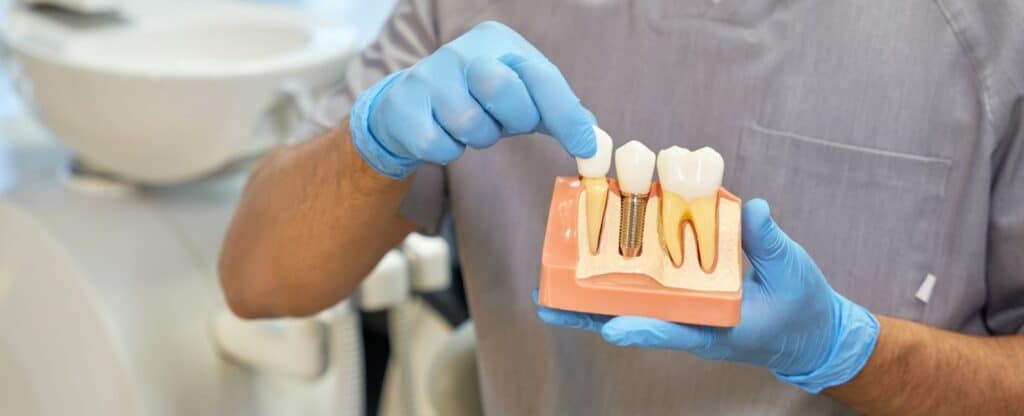
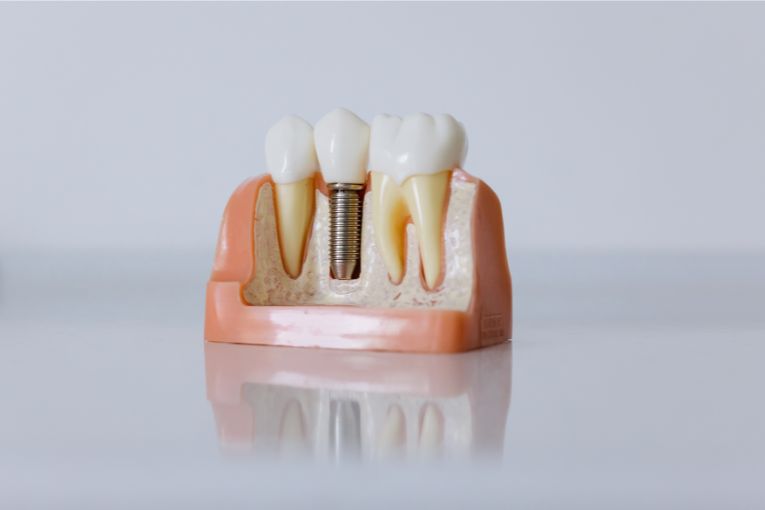
A dental implant treatment typically consists of three main components:
The implant fixture: The part placed into the jawbone to act as an artificial tooth root.
The abutment: A connecting component between the implant and the visible restoration.
The crown or replacement tooth: The part that is visible when you smile and is shaped to restore the missing tooth.
The exact treatment required will depend on how many teeth are missing, where they are situated and the condition of the surrounding gums and bone.
If you have lost a tooth or have been told that a tooth cannot be saved, our dentists can assess whether a dental implant or another restorative dentistry treatment may be appropriate.
Could Dental Implants Be Right for You?
Dental implants can be considered for many adults who have lost one or more teeth, but they are not automatically the best option for every patient.
A dental assessment is important before treatment begins.
You may be considered for dental implant treatment if you:
Have one or more missing teeth.
Have healthy gums or gum disease that can first be brought under control.
Have enough healthy jawbone to support an implant, or can be appropriately treated if additional preparation is required.
Maintain good daily oral hygiene.
Are generally healthy enough to undergo the required dental procedure and healing period.
Are willing to attend follow-up appointments and maintain your implant over the long term.
Factors such as smoking, certain medical conditions, medication, gum disease and the condition of the jawbone may influence treatment planning and healing.
This does not necessarily mean that an implant is impossible. It means that your dentist needs to understand your health and oral condition before recommending treatment.
X-rays and other diagnostic information may be required to assess the area properly and develop an individual treatment plan.
Dental Implant Options for Missing Teeth
The type of implant treatment recommended depends on the number and position of the missing teeth, your remaining natural teeth and the health of your gums and jawbone.
A Natural-Looking Solution for a Single Missing Tooth
When one tooth is missing, a single dental implant may be used to support an individual crown.
The aim is to replace the missing tooth without relying on a removable denture. Because every case is different, the dentist will assess the space, bite, surrounding teeth, gum health and available bone before recommending this option.
Replacing More Than One Missing Tooth
Patients who have lost several teeth may require a combination of implants and restorative dental work.
It is not always necessary for every missing tooth to have a separate implant. Depending on the position of the missing teeth and the individual treatment plan, implants may be used to support a larger restoration.
Implant-Supported Dental Bridges
A dental bridge can replace a number of missing teeth.
In certain cases, dental implants may be used to support the bridge instead of relying entirely on neighbouring natural teeth. Your dentist will assess whether this approach is appropriate for the area being treated.
You can explore the broader range of specialised dental treatments available at Innovative Dental Care if your dental needs involve more complex restorative care.
Added Stability for Denture Patients
For some patients who are missing several or all of their teeth, implants may also be considered as part of a treatment plan to improve denture support and stability.
Traditional dentures remain an effective tooth-replacement option for many people, and the best choice depends on factors such as oral health, bone condition, treatment preferences and budget.
If you are weighing up different options, our guide to dental implants in South Africa provides additional information about implant treatment and tooth replacement.
What Happens During Dental Implant Treatment?
Dental implant treatment takes place in stages. The exact process and timing will depend on your individual dental needs.
1. Consultation and Dental Examination
Treatment begins with an examination of your teeth, gums and mouth.
Tell your dentist about relevant medical conditions, medication and any previous dental treatment. This information can be important when assessing healing and planning treatment.
2. X-Rays and Treatment Planning
X-rays and other assessments may be required to evaluate the area where the implant will be placed.
Your dentist will consider the available bone, gum health, neighbouring teeth and your bite before discussing the proposed treatment with you.
3. Preparing the Mouth Where Necessary
Some patients can proceed to implant placement without extensive preparation.
Others may first require treatment for gum disease, removal of an unsalvageable tooth or additional preparation of the implant area.
Your dentist will explain these steps if they apply to you.
4. Placement of the Dental Implant
The implant fixture is surgically positioned in the planned area of the jaw.
Treatment is carefully planned around the individual patient’s anatomy and dental requirements.
5. Healing and Integration
The implant requires time to heal and become stable within the surrounding bone before it is able to support the final restoration.
Healing times vary, which is why your dentist will monitor your progress rather than working according to one standard timeline for every patient.
6. Placement of the Final Restoration
Once the implant is ready, the next stage is the placement of the final crown or appropriate dental restoration.
Care is taken to restore function while creating an appearance that works naturally with your remaining teeth.
7. Maintaining Your Implant
Implant treatment does not end when the final tooth is fitted.
Good brushing, appropriate cleaning around the implant, regular dental examinations and professional oral hygiene remain important for maintaining the gums and surrounding structures.
Restore Comfort, Function and Confidence
Losing a tooth can change how your whole mouth functions.
Dental implants offer an option for rebuilding that missing support while restoring the visible tooth above it.
Depending on your individual circumstances, potential benefits can include:
Improved stability when chewing.
A restoration designed to look natural alongside your remaining teeth.
Replacement of a missing tooth without a removable appliance in suitable cases.
Support for larger restorations where multiple teeth are missing.
Improved confidence when eating, speaking and smiling.
A long-term tooth-replacement option when properly planned and maintained.
Dental implants are often described as permanent tooth replacements, but no dental treatment should be considered maintenance-free or guaranteed to last indefinitely.
Your daily oral hygiene, gum health, general health, bite, regular dental visits and other individual factors all play a role in long-term success.
Patients who require more advanced care can also explore Innovative Dental’s specialised dentistry services.
Dental Implants Versus Dentures and Bridges
There is no single tooth-replacement treatment that is best for everyone.
Dental implants, dentures and dental bridges can all be appropriate treatments. The right choice depends on your oral health, the number of missing teeth, the condition of surrounding teeth and bone, your preferences and the complexity of your case.
Fixed or removable: Dental implants are usually fixed, dentures are usually removable, and dental bridges are fixed.
Surgical procedure: Usually required for dental implants, but not normally required for dentures or dental bridges.
Main support: Dental implants are supported by the jawbone, dentures by the gums and oral tissues, and dental bridges by adjacent teeth.
Cleaning: Implants are cleaned like natural teeth; dentures are removed and cleaned regularly; bridges require cleaning around and beneath the restoration.
Treatment time: Usually longer for implants due to healing; often shorter for dentures and bridges.
Best suited to: The most appropriate option for each is determined after an individual assessment.
If you are unsure which treatment is suitable, there is no need to make the decision before seeing a dentist. Our dentists can assess your mouth and explain how implant treatment compares with the other restorative dentistry options available.
Recovery and Care After a Dental Implant Procedure
Some discomfort, swelling, tenderness or sensitivity may occur after implant placement. Your dentist will explain what to expect based on the procedure performed and provide instructions for caring for the area while it heals.
You may need to adjust what and how you eat for a period after treatment. Softer foods may be recommended initially, and you should avoid placing unnecessary pressure on the treatment area if your dentist advises you to do so.
Good oral hygiene remains extremely important.
Your dentist will explain how to keep your mouth clean without disturbing the healing area and when you can return to your normal oral hygiene routine.
Follow-up appointments allow the dentist to check that healing is progressing as expected.
Contact the clinic if you experience symptoms that concern you, particularly increasing swelling, bleeding that does not settle, severe or worsening pain, signs of infection or anything else that does not match the recovery instructions you were given.
Once treatment is complete, your implant still requires regular professional maintenance alongside the rest of your teeth and gums.
How Much Do Dental Implants Cost in South Africa?
The cost of dental implants varies from patient to patient because implant treatment is individually planned.
Rather than giving every patient the same fee, your dentist first needs to assess what is required.
Factors that can influence dental implant costs include:
- The number of missing teeth being replaced.
- The number of implants required.
- The type of crown, bridge or final restoration.
- X-rays and diagnostic assessments.
- The amount and condition of available jawbone.
- Gum health.
- Treatment required before implant placement.
- Additional procedures that may form part of the treatment plan.
- The overall complexity of the case.
Following your assessment, the practice can explain the recommended treatment and provide a more personalised estimate.
For broader information about the treatment and factors that can influence your decision, read our complete guide to dental implants in South Africa.
Request a Consultation and Personalised Treatment Estimate
Dental Implants for Older Adults
Being older does not automatically mean that you cannot receive dental implants.
For an older patient, the more important considerations are generally their oral health, gum condition, available jawbone, medical history, medication and ability to heal following treatment.
For some older adults, replacing missing teeth can make an important difference to everyday function, particularly where tooth loss or unstable dentures make eating uncomfortable.
However, implant treatment still needs to be considered as part of the patient’s wider dental and medical picture.
Innovative Dental’s approach to dental care for older adults considers both immediate dental concerns and longer-term comfort, oral function and maintenance needs.
Patients and family members can also read our guide to geriatric dentistry for more information about how oral health needs can change with age.
Dental Implant Consultations Near You
Innovative Dental Care provides dental implant consultations across our clinic network in Gauteng.
Choose the clinic that is most convenient for you and request an assessment to discuss your missing teeth and available treatment options.
Dental Implant Consultation in Midrand
Visit our Midrand Dental Centre in Noordwyk for an individual dental implant assessment and treatment discussion.
Request a Midrand Dental Implant Consultation
Dental Implant Consultation in Centurion
Our Centurion Dental Centre provides comprehensive dental care, including specialised treatment options.
Request a Centurion Dental Implant Consultation
Dental Implant Consultation in Carletonville, Khotsong
Patients in Carletonville can visit the Innovative Dental Care clinic in Khotsong for dental care and an individual assessment.
Request a Khotsong Dental Consultation
Dental Care at The Fountain Private Hospital, Carletonville
Innovative Dental Care also operates from The Fountain Private Hospital in Carletonville.
Book an Appointment with our General Dentist Today!
Frequently Asked Questions
Who is a suitable candidate for dental implants?
Dental implants may be suitable for adults who have one or more missing teeth and have suitable gum health, jawbone support and general health for treatment and healing. Your dentist will need to examine your mouth and may require X-rays before determining whether an implant is appropriate.
Are dental implants painful?
Dental implant placement is a surgical dental procedure, so some tenderness, swelling or discomfort may occur afterwards. Your dentist will discuss pain management, aftercare and what you can expect during recovery based on your treatment.
How long does dental implant treatment take?
There is no single treatment period that applies to every implant patient. Treatment usually includes assessment, implant placement, healing and placement of the final restoration. Additional dental procedures or healing requirements can extend the overall treatment time.
How long do dental implants last?
Dental implants are intended as a long-term tooth-replacement solution, but their lifespan varies. Good oral hygiene, healthy gums, regular professional maintenance, general health and other individual factors can all influence how well an implant performs over time.
Can older adults receive dental implants?
Yes, older adults may be considered for dental implant treatment. Age alone does not determine suitability. Gum health, bone condition, medical history, medication and healing ability are more important considerations and should be assessed individually. For further guidance about oral health later in life, see Innovative Dental's geriatric dentistry services.
Replace Missing Teeth with Confidence
You do not have to decide on a tooth-replacement treatment before speaking to a dentist.
If you are missing one tooth, several teeth or are struggling with an existing tooth-replacement solution, the first step is an individual assessment.
Our team can examine your teeth, gums and jaw, discuss the available treatment options and help you understand whether dental implants may be appropriate for you.
Request a Dental Implant Assessment at Innovative Dental Care